
Advertising effectiveness is not determined only by the creative.
Where consumers see the message can influence how they experience it.
An advertisement placed inside an airport is surrounded by a very different environment from one displayed on a roadside or inside a conventional commercial space.
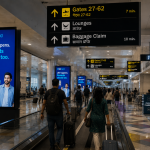
Travellers are moving through a carefully designed environment filled with directional signage, premium retail, airline experiences, lounges and architectural features.
When brands integrate their communication into this environment strategically, the terminal can become more than a media location.
It can become part of the communication.
From Advertisement to Environment
Traditional OOH advertising often places a creative message in a fixed location.
Airport branding offers an opportunity to think differently.
Instead of asking:
“Where should we put the advertisement?”
Brands can ask:
“How should the brand exist within the passenger environment?”
This shift can influence everything from creative design to placement and format selection.
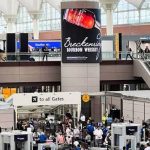
A large-format installation near an entrance creates a different experience from a digital screen near a boarding gate.
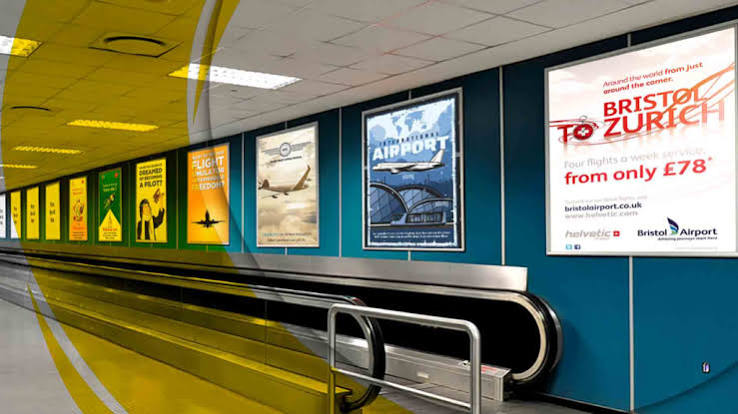
A branded walkway creates another type of interaction.
A strategically designed airport environment can therefore support multiple forms of communication throughout the terminal.

The Terminal Creates Its Own Context
Airports have a distinctive visual and behavioural environment.
Passengers are checking flight information, looking for gates, meeting colleagues, shopping, waiting, dining and preparing for their journey.
This creates a specific context in which advertising is encountered.
A financial brand may use the environment to communicate reliability.
A technology brand may emphasize innovation.
A luxury brand may align its visual language with the premium surroundings.
A travel brand may connect directly with the mindset of people who are already travelling.
The airport environment provides the context, while the creative provides the message.
Why Placement Becomes Strategic
Airport branding should not be treated as a collection of random advertising surfaces.
Different passenger zones create different opportunities.
Arrival Areas
Arrival zones can introduce a brand to travellers immediately after they enter the terminal environment.
Check-In Areas
Check-in zones can provide repeated exposure while passengers complete pre-flight processes.
Security and Waiting Areas
These spaces often provide opportunities for longer visual engagement because passengers naturally spend time waiting and navigating.
Boarding Gates
Gate areas can create a more concentrated environment where passengers wait before boarding.
Retail and Food Zones
These areas allow brands to appear alongside shopping, dining and leisure experiences.
The objective is to match the message, format and location with the passenger context.