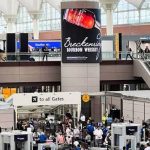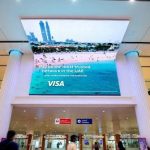
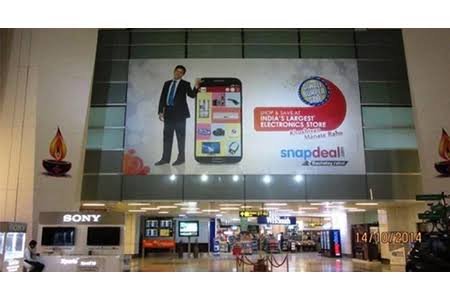

Airports are often associated with movement. Passengers arrive, check in, pass through security and move toward their gates. However, not every traveller is constantly moving. Layovers create a completely different environment where passengers may spend significant periods waiting between flights.
This waiting period represents an interesting opportunity for airport branding.
Unlike a fast-moving roadside environment where an advertisement may only receive a few seconds of attention, airport passengers during a layover can have considerably more time to observe the environment around them. They may walk through retail areas, visit restaurants, sit in lounges, browse stores or wait near their next departure gate.
For brands, these moments can create opportunities to communicate beyond a simple visual impression.
Why Waiting Time Changes Advertising
Consumer attention is influenced by the situation in which advertising is encountered. A passenger rushing to catch a flight is likely to process communication differently from someone who has an hour before their next departure.
The layover environment can therefore create a different kind of advertising opportunity.
Passengers may have time to notice larger installations, explore creative displays and engage with digital content. Brands can use this environment to communicate more detailed stories rather than relying only on short messages.
The objective is not simply to fill waiting time with advertising. It is to make the brand relevant to the environment in which passengers are already spending that time.

Turning Waiting Into Brand Interaction
The strongest airport campaigns can transform passive waiting into an opportunity for brand engagement.
A large-format installation in a high-dwell area can create visual impact. A digital screen can deliver changing content throughout the day. An interactive experience can encourage passengers to stop and participate. A creatively branded lounge or retail environment can make the brand part of the physical surroundings.
These approaches allow airport branding to move beyond conventional advertising panels.
The passenger is no longer simply passing an advertisement. They may spend several minutes within an environment where the brand is present.
The Difference Between Passing and Staying
Movement and dwell time create two very different advertising situations.
When passengers are walking quickly, the campaign needs to communicate immediately. When passengers are waiting, there is an opportunity to build a more layered message.
This means airport media planning should consider not only how many people pass a location, but also how long they are likely to remain there.
A high-dwell location can sometimes provide a different kind of value from a high-traffic location because it creates more opportunities for observation and engagement.