
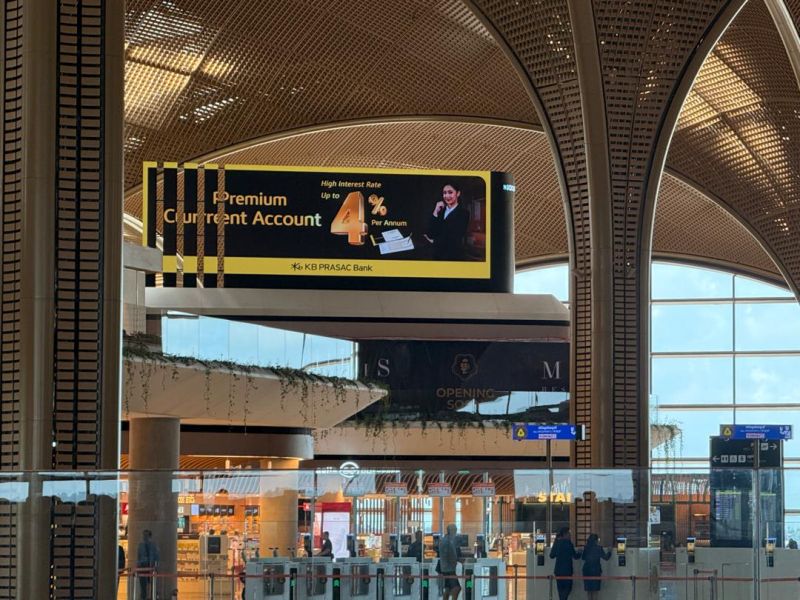

The Evolution of Airport Advertising with DOOH
Digital Out-of-Home (DOOH) advertising has transformed airport marketing into a dynamic, data-driven ecosystem. Unlike static hoardings, DOOH screens enable brands to deliver flexible, high-impact messages that can adapt in real time. Airports, with their premium audience and structured passenger flow, provide the perfect environment for this evolution. From departure halls to boarding gates, digital screens capture attention through motion, relevance, and timely messaging.
Real-Time Targeting: Reaching the Right Audience at the Right Moment
One of the biggest advantages of DOOH at airports is real-time targeting. Advertisers can tailor content based on factors such as flight schedules, passenger demographics, weather conditions, and time of day. For instance, a luxury brand can display ads aligned with international departures, while food and beverage brands can target passengers during meal hours.
This contextual relevance significantly improves engagement and recall. Since travelers are often waiting or transitioning between checkpoints, well-timed digital ads can seamlessly integrate into their journey, making the messaging feel more personalized and less intrusive.
Programmatic DOOH: Smarter, Automated Campaign Execution
Programmatic DOOH takes airport advertising a step further by automating media buying and campaign management. Through data-driven platforms, brands can purchase ad inventory in real time, optimize campaigns on the go, and adjust creatives based on performance insights.
This approach not only increases efficiency but also ensures better ROI. Advertisers can target specific audience segments, monitor impressions, and refine strategies without manual intervention. The ability to scale campaigns across multiple airports while maintaining consistency makes programmatic DOOH a powerful tool for national and global brands.
Maximizing Impact Through Integration and Creativity
To fully leverage DOOH at airports, brands should integrate digital screens with other formats such as static hoardings, mobile campaigns, and experiential activations. This multi-channel approach reinforces messaging and creates a cohesive brand experience.
Creative execution is equally important. High-quality visuals, short messaging, and engaging motion graphics ensure that ads stand out in a busy airport environment. When combined with real-time data and programmatic precision, creativity becomes a key driver of success.
Conclusion: The Future of Airport Advertising
DOOH advertising at airports represents the future of out-of-home marketing. By combining real-time targeting with programmatic capabilities, brands can deliver smarter, more relevant campaigns that resonate with high-value travelers. As technology continues to evolve, airports will remain a prime destination for innovative and impactful advertising.