
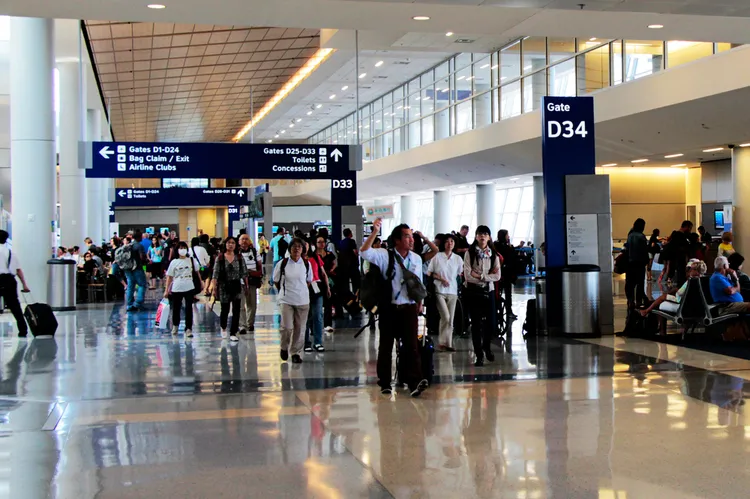

Airport advertising has evolved far beyond isolated placements. Today, brands are adopting journey-based strategies that engage travelers from the moment they enter the terminal until they exit after baggage claim. As passenger dwell time increases and airport infrastructure becomes more sophisticated, airport branding now spans the entire traveler journey. Consequently, advertisers are designing cohesive narratives that follow passengers through every stage of their airport experience.
The Shift Toward Journey-Based Airport Branding
Earlier airport advertising relied heavily on single high-visibility locations. However, fragmented exposure often limited impact. In response, brands have shifted toward integrated airport branding that ensures continuity across multiple touchpoints.
By aligning messaging throughout the passenger journey, brands achieve repetition without fatigue. As a result, recall strengthens while perception remains premium and seamless.

Check-In Zones as the First Brand Touchpoint
The passenger journey begins at check-in counters and terminal entry points. During this phase, travelers are attentive and oriented toward their surroundings.
Therefore, digital screens, column wraps, and large-format displays near check-in areas serve as powerful introduction points. These placements establish brand presence early and set the tone for the journey ahead.
Moreover, early exposure increases familiarity before passengers move deeper into the terminal.
Security and Waiting Areas Drive Repeated Visibility
Security queues and waiting zones generate natural dwell time. Passengers often spend extended periods in these areas, making them ideal for repeated brand exposure.
Digital out-of-home screens and motion-led creatives perform especially well here. As travelers glance repeatedly during waiting periods, messaging embeds more effectively.
Consequently, these zones are critical for reinforcing brand narratives introduced at check-in.
Departure Gates and Lounges Enable Deeper Engagement
Boarding gates and lounges provide calmer environments. Passengers are seated, relaxed, and more receptive to detailed storytelling.
In these zones, brands can deploy long-format videos, immersive screens, and experiential media. Additionally, premium lounges attract high-value audiences, enhancing brand association.
This stage allows brands to move beyond awareness toward emotional connection.
Retail Corridors Support Purchase Intent
Airport retail areas connect branding directly with commerce. As travelers browse duty-free zones, brand messaging influences real-time decisions.
Strategically placed digital screens and experiential installations guide passengers toward products and promotions. Therefore, branding at this stage supports both recall and conversion.
Integrated retail storytelling strengthens the impact of earlier touchpoints.
Arrival Terminals and Baggage Claim Close the Loop
Arrival zones represent the final and often most impactful stage of the journey. Passengers are no longer rushed and experience extended dwell time while waiting for luggage.
Baggage claim areas, conveyor belt branding, and arrival screens provide uninterrupted exposure. Circular movement ensures repeated viewing, reinforcing brand recall.
As a result, many advertisers consider baggage claim branding one of the strongest airport formats.

Consistent Storytelling Across the Journey
Effective airport branding relies on narrative continuity. Rather than repeating identical creatives, brands adapt messaging while maintaining visual consistency.
This approach creates a story that unfolds progressively. Consequently, passengers experience the brand as part of their journey rather than as isolated advertisements.
Consistency strengthens memory and emotional resonance.
Role of Digital Out-of-Home in Journey Mapping
Digital out-of-home enables this journey-based approach. DOOH networks allow synchronized messaging across multiple terminal zones.
Moreover, brands can adjust content by time of day, passenger type, or travel purpose. This flexibility ensures relevance at every stage of the journey.
Digital integration transforms airport branding into a unified communication ecosystem.
The Future of Passenger Journey Branding
Looking ahead, airport branding will increasingly focus on holistic experiences. Brands will design campaigns that align with passenger emotions at each stage—from anticipation at check-in to relaxation at arrival.
As technology and data evolve, journey mapping will become even more precise, enhancing effectiveness and return on investment.
Conclusion
Airport branding has expanded into a full passenger journey strategy. From check-in to baggage claim, brands now engage travelers through consistent, contextual, and immersive communication. By leveraging digital media and thoughtful storytelling, advertisers transform airports into continuous brand environments that deliver high recall, premium perception, and lasting impact.