
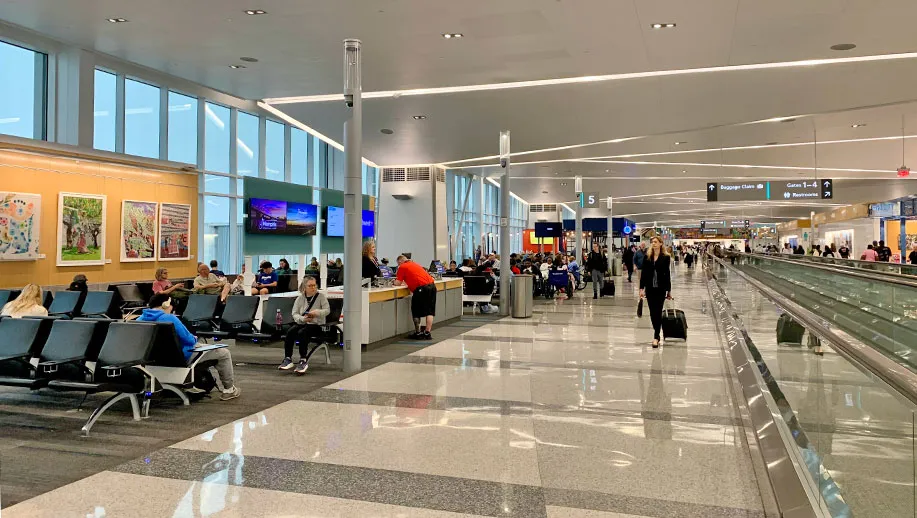

Airports around the world are no longer defined solely by runways and terminals. Instead, they are transforming into powerful brand environments shaped by architecture, spatial design, and immersive storytelling. As global travel continues to grow, airports are redefining brand identity by blending infrastructure with experience. Consequently, terminals now function as narrative-driven spaces where brands communicate values, innovation, and emotion rather than simple visibility.
Architecture as a Brand Expression Tool
Modern airport architecture plays a critical role in shaping perception. From iconic roof structures to open-plan terminals and natural lighting, architectural design now communicates sophistication, efficiency, and global connectivity.
Moreover, thoughtfully designed spaces create emotional responses among travelers. When architecture feels seamless and intuitive, it strengthens trust and comfort. As a result, brands operating within these environments benefit from positive association and premium positioning.
Architecture has therefore become the foundation upon which airport brand identity is built.
Design-Driven Passenger Journeys
Design influences how passengers move, pause, and interact within airport spaces. Strategic layouts guide attention toward curated brand zones, retail corridors, and experiential installations.
Additionally, design-led wayfinding reduces stress and improves navigation. When passengers feel relaxed and oriented, they become more receptive to brand messaging. Consequently, design-driven environments enhance both traveler satisfaction and advertising effectiveness.
This approach transforms terminals into carefully choreographed brand journeys rather than fragmented media placements.
Storytelling Through Spatial Branding
Storytelling has become central to modern airport branding. Instead of isolated advertisements, brands now integrate narratives across multiple touchpoints.
Visual themes, cultural elements, motion graphics, and immersive installations work together to tell cohesive stories. For example, destinations highlight local heritage, innovation, or sustainability through integrated storytelling zones.
As a result, travelers experience meaningful narratives that leave lasting impressions rather than fleeting ad exposures.

Role of Digital Media in Narrative Creation
Digital out-of-home plays a vital role in supporting storytelling. Large LED walls, synchronized screens, and interactive displays allow brands to unfold narratives progressively across terminal spaces.
Furthermore, digital formats enable dynamic updates that reflect seasons, events, or real-time contexts. This flexibility ensures that storytelling remains relevant and engaging throughout the year.
By combining architecture with digital media, airports create layered brand experiences that feel immersive and contemporary.
Experiential Zones Strengthening Brand Identity
Experiential branding has become a defining element of airport environments. Walkthrough tunnels, interactive lounges, and branded installations invite passengers to engage physically and emotionally.
These experiences encourage exploration and social sharing. Consequently, airport storytelling extends beyond terminals into digital conversations, multiplying brand reach organically.
Experiential zones transform brand identity from visual presence into lived experience.

Cultural Integration and Local Narratives
Airports increasingly showcase regional identity as part of global storytelling. Local art, materials, and cultural symbolism are woven into architecture and design.
This integration creates authenticity and differentiation. Travelers connect more deeply when brand environments reflect place and purpose. As a result, airports successfully balance global standards with local character.
Such storytelling reinforces emotional connection and memorability.
Sustainability as a Narrative Layer
Sustainability now forms a key chapter in airport brand identity. Green architecture, energy-efficient systems, and eco-conscious design communicate responsibility and future readiness.
When brands align messaging with these initiatives, storytelling gains credibility. Therefore, sustainability is no longer a supporting message but an integral narrative theme.
This alignment strengthens trust and long-term brand value.
The Future of Airport Brand Identity
Looking ahead, airport branding will increasingly blur the line between infrastructure and experience. Architecture, design, and storytelling will operate as unified systems rather than separate functions.
Airports will become destinations in themselves—spaces where brands communicate emotion, innovation, and culture simultaneously. This evolution will redefine how travelers perceive both airports and the brands within them.
Conclusion
Airports worldwide are redefining brand identity through architecture, design, and storytelling. By transforming terminals into narrative-driven environments, airports elevate brand communication beyond traditional advertising. As experience becomes the new currency of attention, brands that integrate seamlessly into these spaces will achieve deeper engagement, stronger recall, and enduring emotional impact.